FLORAL ART
A Brief History of Chinese Floral Art
Chinese flower arrangement has a long and rich history, representing an important expression of traditional aesthetics and humanistic values. From the Pre-Qin to Han dynasties, flowers were primarily used in rituals and ceremonies before developing into an independent art form.
During the Wei, Jin, and Southern and Northern Dynasties, flowers played a crucial role in Buddhist offerings. The solemnity and symbolic meaning emphasized in these offerings became a foundational source for Chinese flower arrangement as an art.
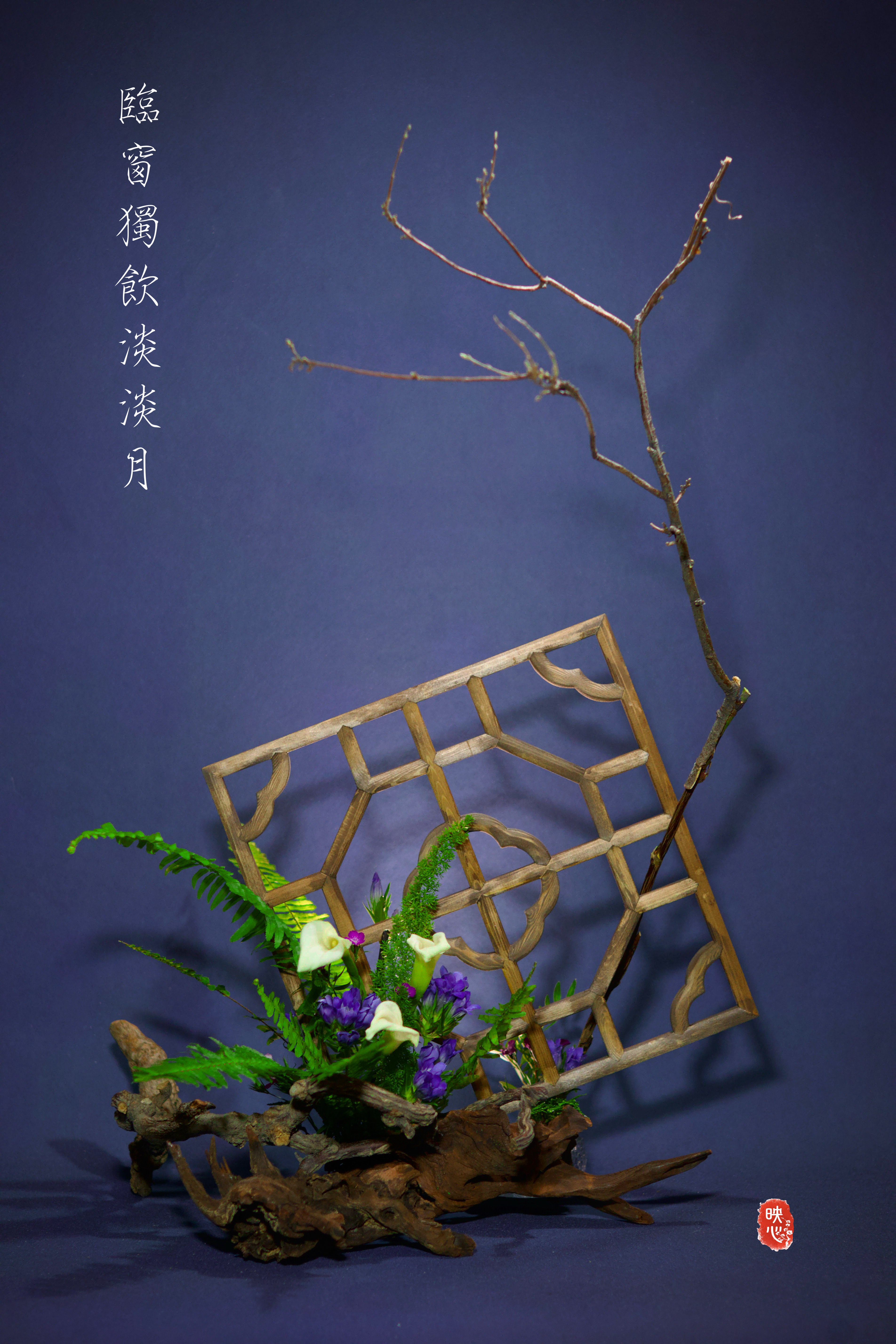
Harmony of Heaven, Earth, and Humanity
"Chinese Floral Art is not merely the art of flowers; it is a way of living in harmony with nature, expressing emotions through plants, and reflecting the unity of heaven, earth, and humanity."
Evolution Through the Dynasties
In the Tang dynasty, flower arrangement became widely practiced in imperial courts and temples, eventually reaching Japan through envoys like Ono no Imoko. By the Song dynasty, it reached its peak as one of the "four arts" alongside tea ceremonies, incense burning, and hanging scrolls.
The Yuan dynasty saw the rise of xinxiang hua (literati-inspired conceptual flowers), where scholars expressed emotions through symbolic arrangements during times of social upheaval.
Renaissance & Modern Revival
The Ming dynasty marked a renaissance for the art, where theoretical knowledge matured through specialized works like Yuan Hongdao’s Ping Shi (History of Flower Vases). These works established standards for evaluating vases and selecting materials.
Following a period of decline after the Qing dynasty, the art experienced a revival starting in 1984. Today, it continues to nurture the hearts of those who arrange and appreciate flowers alike.