TEA CEREMONY
Introduction to Chinese Tea Culture
Tea is an essential part of Chinese daily life, aesthetics, and spiritual civilization. More than a beverage, tea is a cultural expression that embodies philosophical thought, ethical values, and aesthetic pursuit.
Since ancient times, the Chinese approach to tea has emphasized harmony with nature and respect for seasonal rhythms, focusing on the balance between the character of tea and the human mind. Tea practices value purity, simplicity, and the ideals of truth, goodness, and beauty, reflecting the Confucian principle of moderation, the Daoist view of naturalness, and the sense of calm and concentration found in Chan (Zen) thought.
Tea also serves as a medium for hospitality, friendship, and self-cultivation. Through the appreciation of tea, scholars and literati expressed emotions and refined their character, allowing tea to merge naturally with poetry, calligraphy, painting, incense, music, and floral arts, forming a distinctive way of life and aesthetic tradition.
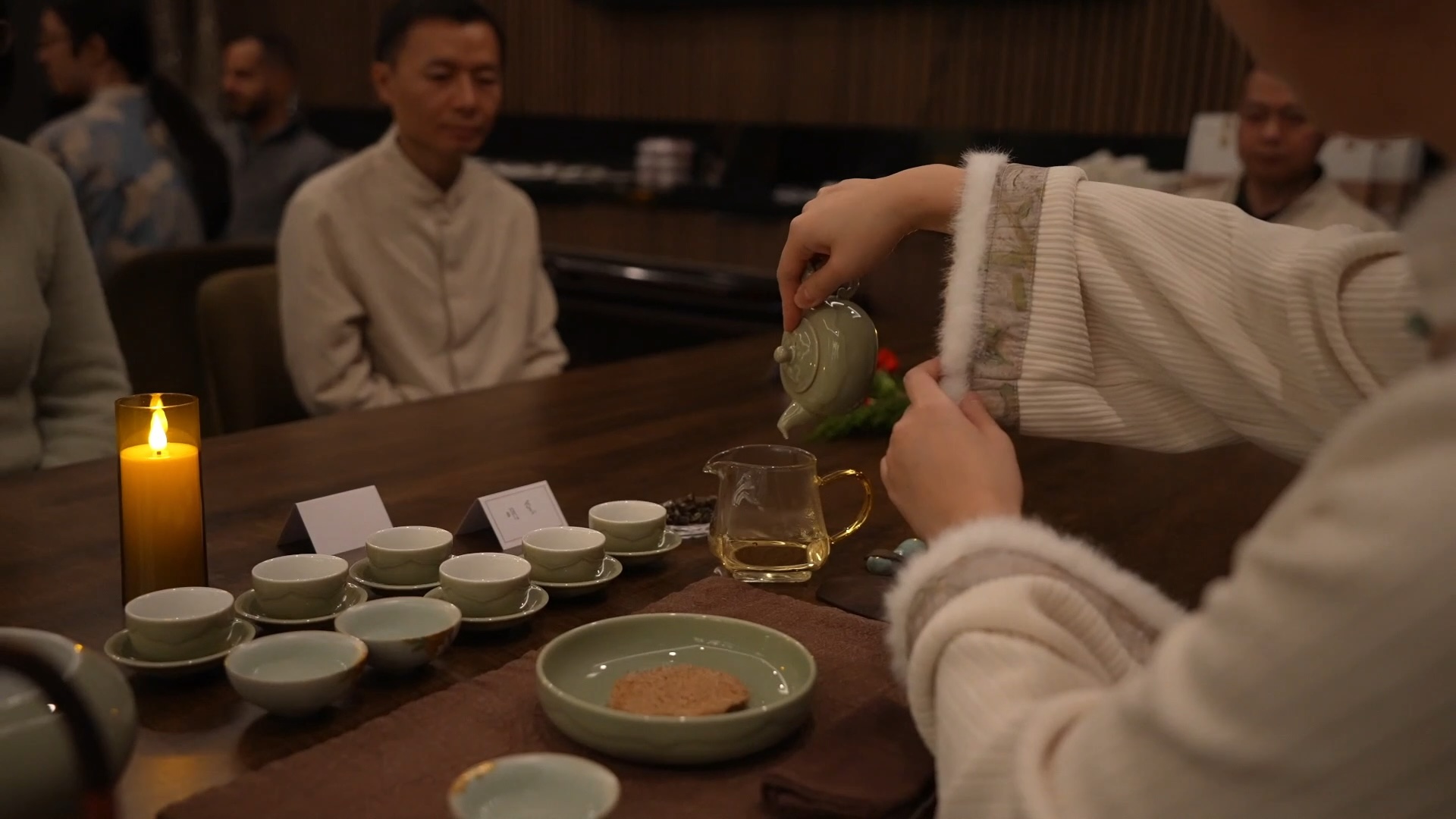
"Chinese tea goes beyond the flavor of a single cup; it represents a way of life that nurtures the body, calms the mind, and invites reflection on life itself."
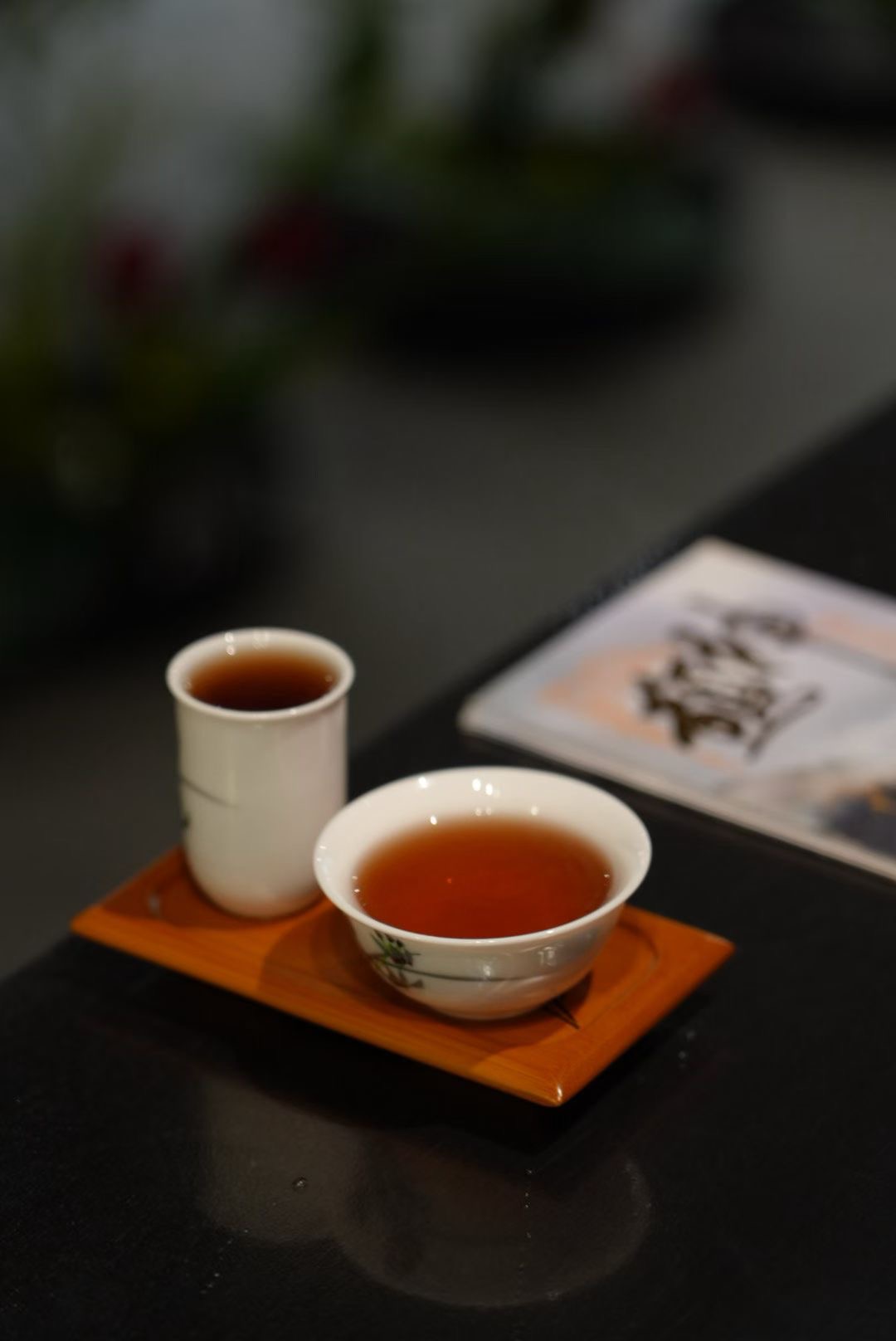
Six Major Categories
With the development of tea-making techniques, China formed six major categories of tea: green, white, yellow, oolong, black, and dark tea.
These diverse tea types reflect wisdom rooted in local conditions and respect for nature. Each category offers its own unique character, together shaping the richness and diversity of Chinese tea culture.
Each day, find a quiet moment to brew a cup of tea, sit down, savor it slowly, and rest in stillness.