An Introduction to the Art of Guqin
Origins and Spirit
"Guqin" is the modern term for the instrument originally known simply as the "Qin." In traditional culture, a distinction is made between "ancient" (Gu) and "new" (Xin) instruments—the former referring to aged pieces and the latter to those newly crafted. While the exact origins are debated, ancient texts often attribute its creation to the sages of antiquity. Since ancient times, the Qin has been regarded as an instrument for self-refinement, used to "rectify the human heart." The concept of "restraint" (Jin) is not mere restriction, but an internal moderation—avoiding excess and finding the perfect balance. The Qin helps one maintain integrity and express emotions in a grounded, purposeful way.
Harmony and "Stillness"
Qin music belongs to the category of Chinese ritual and music culture, with aesthetic principles centered on "He" (Harmony) and "Jing" (Stillness). "Harmony" implies that while emotions may be expressed, they are rooted in a foundation of uprightness and balance. "Stillness" does not mean a total absence of sound, but rather that stillness is the origin; sound arises from stillness and eventually returns to a state of calm.
Both playing and listening to the Qin require a quiet environment and a tranquil heart. Because the tones are subtle and profound, one must listen with focused attention to appreciate the finer nuances. In this stillness, emotions are organized, and the state of one's life trends toward integration. This stillness is not bland; it can be passionate or deeply compassionate, but it always unfolds from a place of spiritual repose.
Soulmates and the Heart's Imprint
As a pinnacle of classical Chinese music, the Qin serves both an educational and lyrical function. Legend tells of Bo Ya, who realized the essence of the Qin between the mountains and the sea, and his meeting with Zhong Ziqi, leading to the story of "High Mountains and Flowing Water." Ziqi understood the music not just through the melody, but through a resonance of the soul. Playing and listening to the Qin is, ultimately, the meeting of hearts.
The Guqin in Contemporary Life
In the clamor of daily life, the "stillness" advocated by the Guqin invites one to return to their inner self. With stillness comes sharper perception and clearer thought. Though the sound of the Qin is faint, it is precisely this quality that makes it precious—it does not force itself upon the ear but invites the individual to actively listen. The Guqin is more than just sound; it is a way of life focused on self-cultivation and the realization of life's meaning.
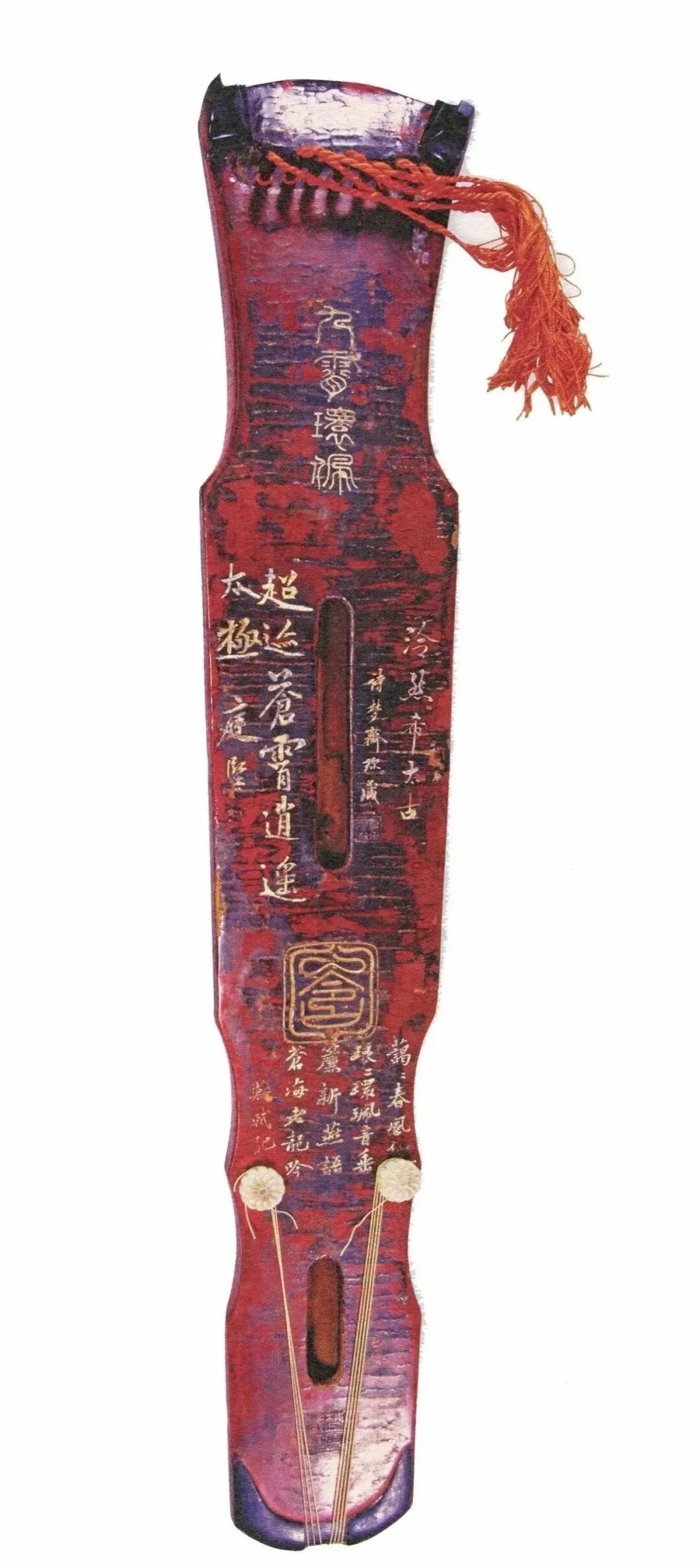
Tang Dynasty · "Jiuxiao Huanpei" Guqin
Classroom Moments
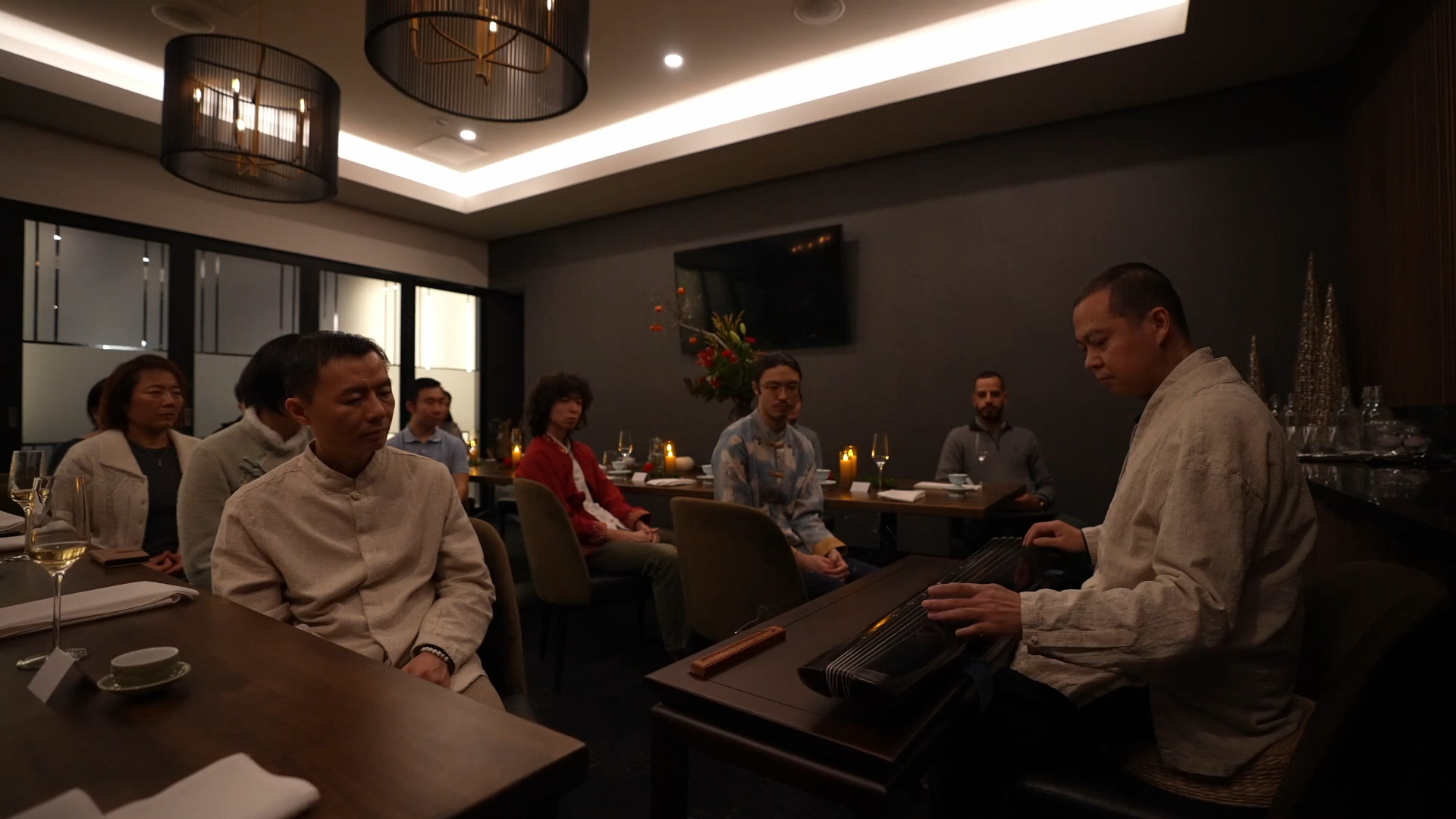
Community Gathering · Unity of Heart and Qin
社区雅集 · 琴心合一