TRADITIONAL CHINESE PAINTING
The Art of Form and Spirit
Traditional Chinese Painting (Guohua) is a unique form of artistic expression that stands alone in the history of world art. Its core charm lies in the pursuit of "harmony between form and spirit" and its profound cultural heritage.
The most significant difference between Chinese and Western painting systems begins with the materials. The soul of Chinese painting is rooted in the "Four Treasures of the Study": Brush, Ink, Paper, and Inkstone. Artists use specialized brushes on absorbent Xuan paper or silk, creating works with water-mixed ink and mineral or vegetable pigments.
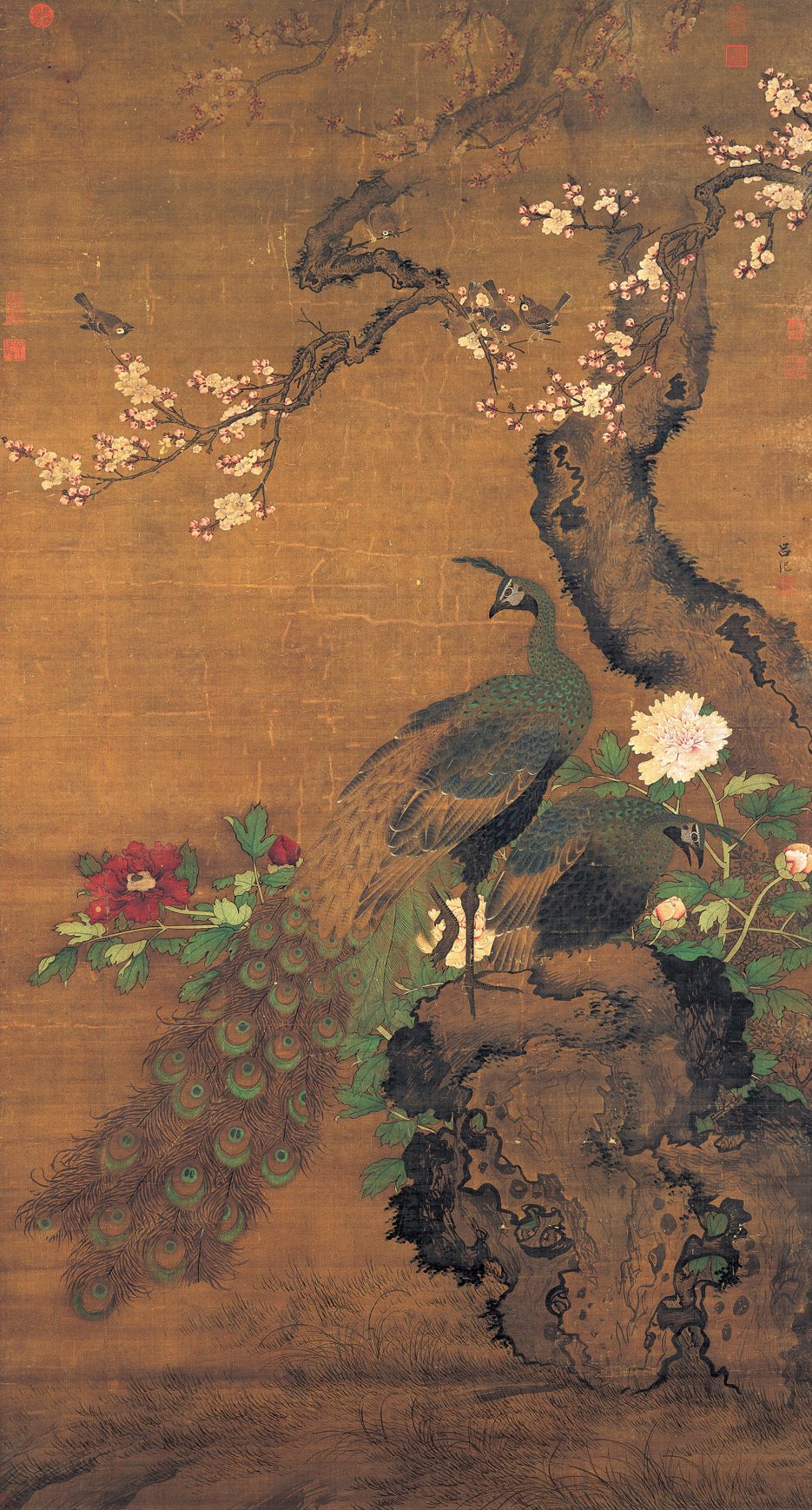
Resonance of Ink and Natural Charm
"A complete Chinese painting often integrates painting, calligraphy, poetry, and seals into one, embodying the comprehensive artistic cultivation of the Chinese literati."
Categories & Techniques
Traditional Chinese painting is categorized by subject matter into three major types: Figures, Flowers and Birds, and Landscapes. In terms of technique, it is primarily divided into two forms: Meticulous (Gongbi) and Freehand (Xieyi).
The Realm of Artistic Conception
Most Chinese paintings use ink lines as the skeleton. Through "scattered perspective" (multi-point perspective) and the skillful use of "blank space" (Liubai), artists create an infinitely profound artistic conception within a small space—a spiritual expression where personal character and natural vitality become one.